THE LOCAL REALITY FIELD NOTES
Start exploring
the night sky.
Learn what to look for, what to bring and how to take your first night-sky photo. Begin with the equipment you already have.
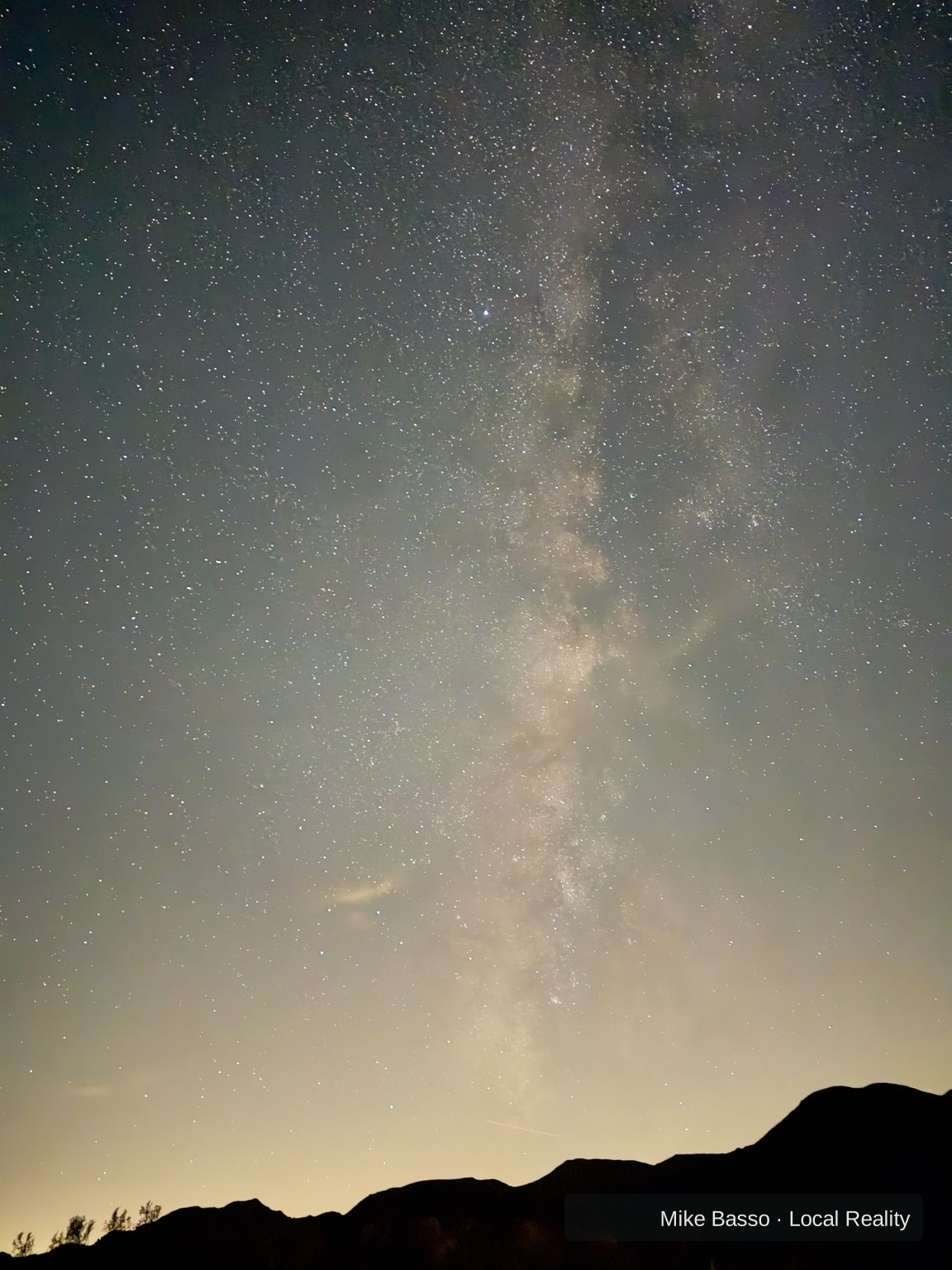
How to start stargazing without a telescope
Your first night can start with your eyes, a familiar place, and one thing to look for.
READ THE FIELD NOTE ↗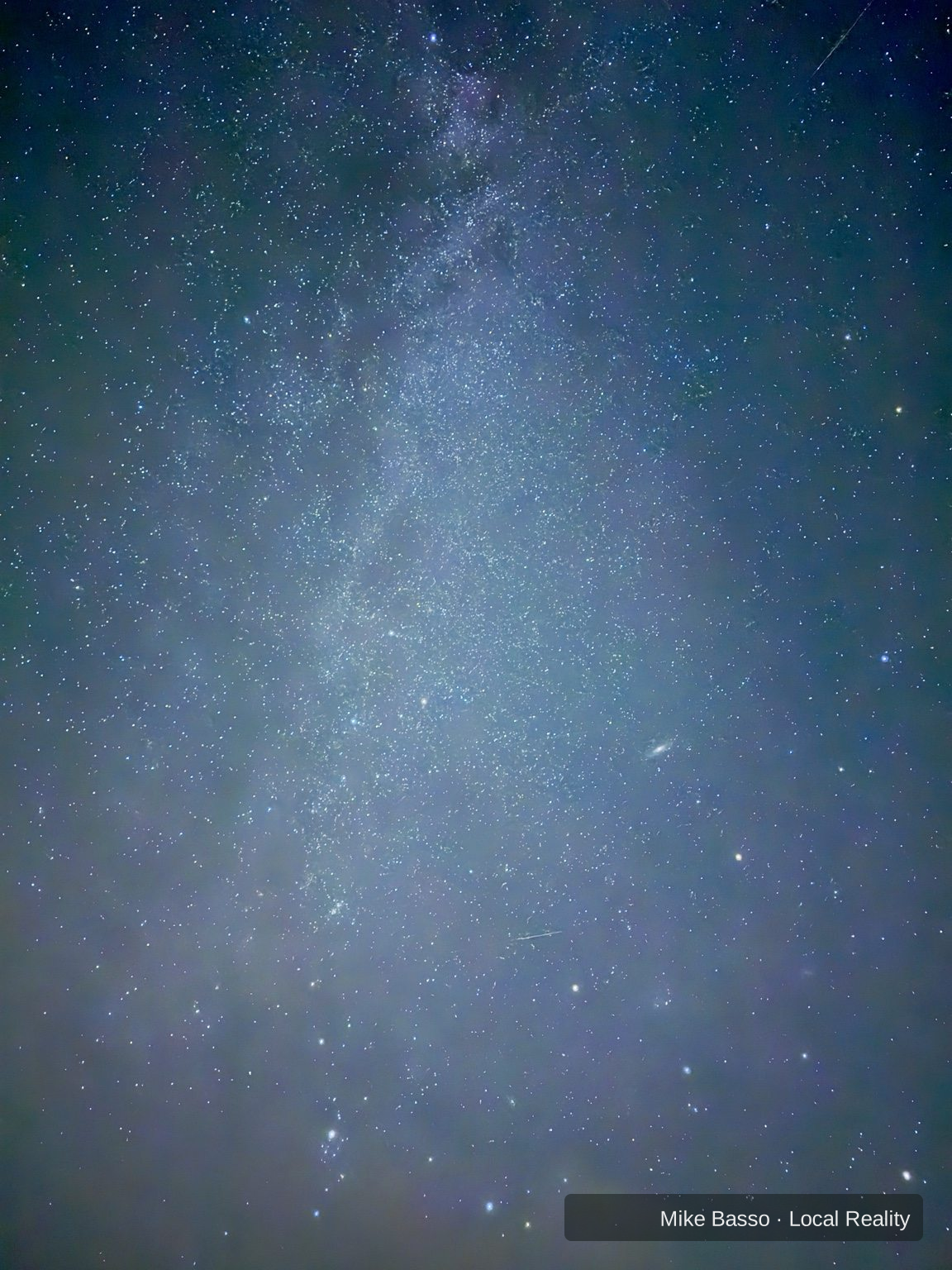
Moon or Milky Way: plan for the sky you want
A bright Moon can make a great night out. It can also wash out the faint thing you drove out to see.
READ THE FIELD NOTE ↗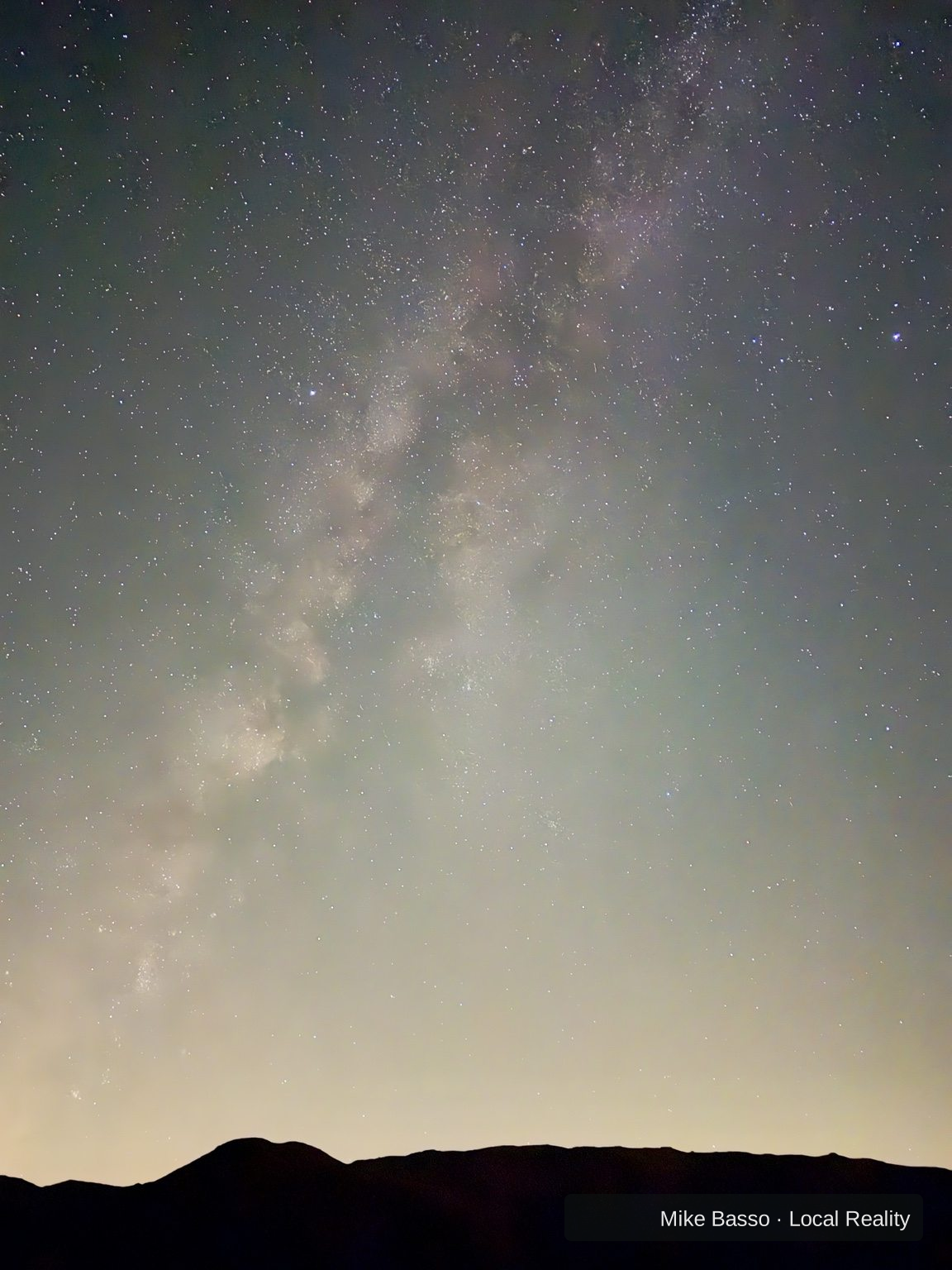
Your first night-sky photo: fix the problem before buying gear
A practical way to troubleshoot blurry stars, noisy images, and washed-out skies.
READ THE FIELD NOTE ↗Best binoculars for stargazing: how to choose
Compare 7×50, 8×42, 10×50 and mounted options without buying more magnification than you need.
READ THE BUYING GUIDE ↗Telescope eyepieces explained
Calculate magnification and check barrel size, eye relief and useful power before ordering.
READ THE BUYING GUIDE ↗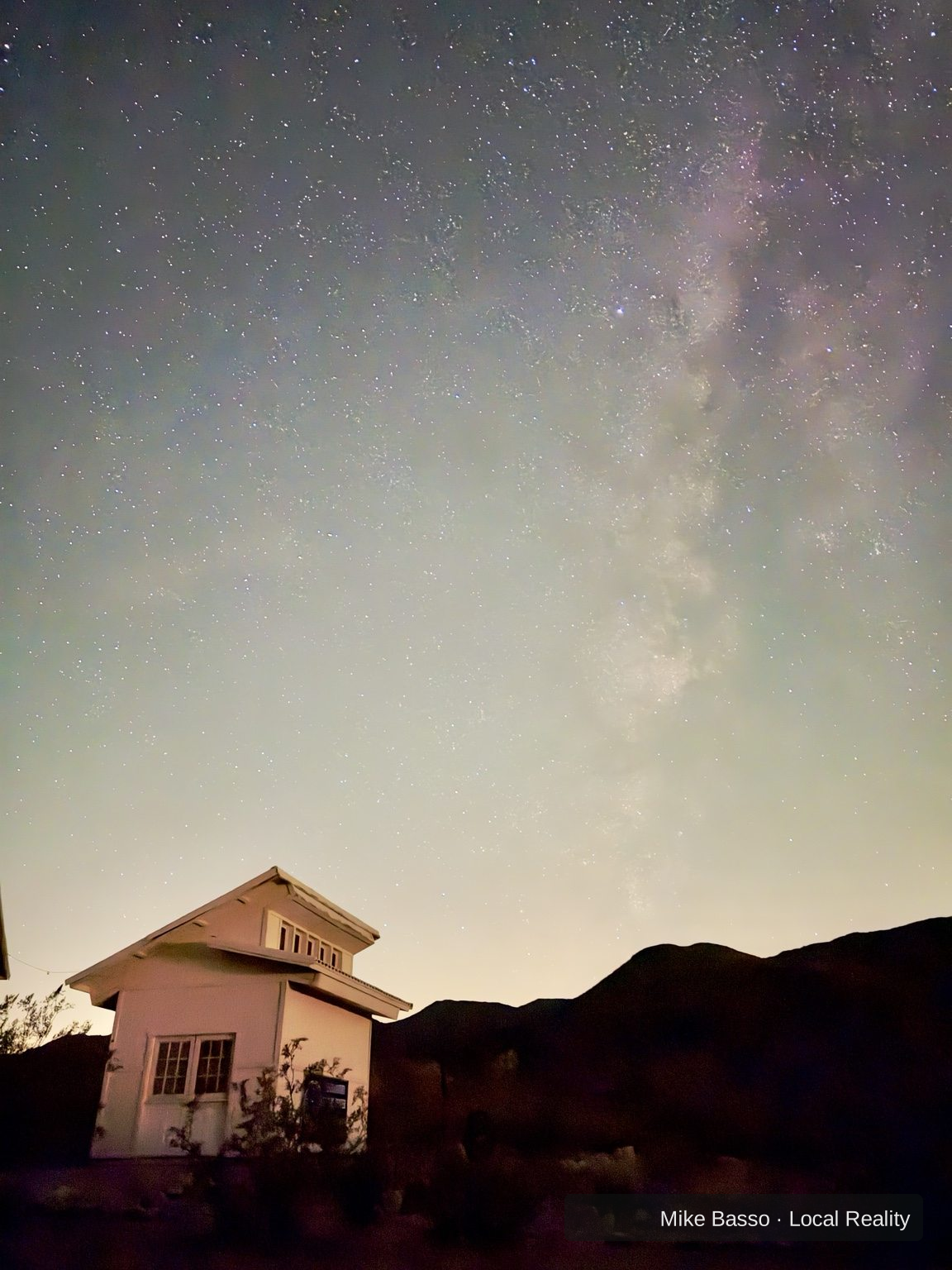
Smartphone astrophotography
Build a repeatable first-night workflow for sharp Moon and star photos with the phone you already own.
READ THE FIELD GUIDE ↗Before you buy
Binoculars or telescope? Choose the experience first ↗
How to choose binoculars for stargazing ↗
Understand telescope eyepieces and magnification ↗
Beginner telescope buying guide: types, aperture and mounts ↗
Telescope mounts explained: alt-azimuth vs. equatorial ↗
Astronomy accessories: what you need and what can wait ↗
Telescope filters explained: Moon, planetary and nebula filters ↗
Try an original phone wallpaper free ↗
Night-sky wallpapers
After Dark: six original phone wallpapers from Mike’s archive ↗
Joshua Tree, after dark
Joshua Tree & Beyond: the regional guide, with a free campsite excerpt ↗
Designated viewing areas, Moon planning, and official checks before you go ↗
Family Sky Bingo
Free Sky Bingo: play online or print an illustrated card ↗